
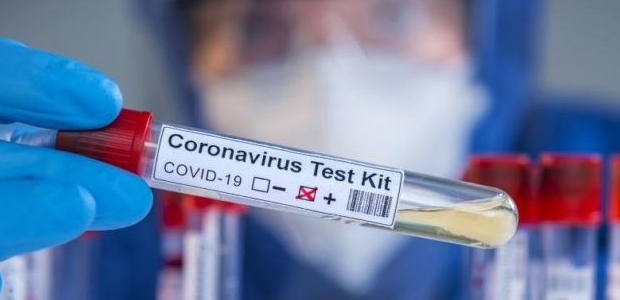
COVID-19 testing billing changed when the public health emergency ended on May 11, 2023. The special specimen collection codes went away, private plans were no longer required to cover tests without cost sharing, and COVID tests started following the same order, coverage, and CLIA rules as any other lab test. Most of the COVID testing still billed today runs through combined respiratory panels, where those rules matter even more.
Key Takeaways
- PCR tests bill as 87635, and combined COVID and flu or COVID, flu, and RSV tests bill as 87636 or 87637.
- Rapid antigen tests read by eye bill as 87811 and need the QW modifier on Medicare claims from CLIA-waived sites.
- Medicare’s COVID specimen collection codes and the federal no-cost-sharing rule for private plans ended with the public health emergency.
- Every lab claim needs a valid CLIA number that covers the complexity level of the test billed.
- Many Medicare contractors limit large outpatient respiratory panels unless the patient is immunocompromised or critically ill.
COVID-19 Test Codes
 Molecular tests that detect the virus’s genetic material bill as 87635. Medicare and some payers also accept U0003 and U0004 for high-throughput PCR. When one test detects COVID and influenza together, it bills as 87636, and a test that adds RSV bills as 87637. Larger respiratory panels from specific manufacturers often carry their own proprietary laboratory analysis codes, such as 0240U and 0241U.
Antigen tests bill by method. A rapid test read visually, like most point-of-care cassettes, bills as 87811. An antigen test read on an instrument bills as 87426. Antibody tests bill as 86769, or as 86328 for a single-step rapid method. Antibody results don’t diagnose an active infection, so most payers only cover them in limited situations.
Our guide to which CPT codes are used in COVID-19 billing covers each code in more detail.
Coverage After the Public Health Emergency
 Medicare Part B still covers COVID diagnostic tests when a physician or other qualified practitioner orders them, and clinical lab tests under Part B generally carry no patient cost sharing. What ended with the emergency were the specimen collection codes G2023 and G2024, the ability to test without an order, and Medicare’s program for free over-the-counter tests.
Private plans are no longer required to cover COVID tests without cost sharing or prior authorization, so a patient’s deductible and coinsurance now apply like any other lab test. Medicaid programs had to keep covering COVID testing without cost sharing through September 30, 2024, and after that coverage follows each state’s normal lab rules. The federal program that paid for testing uninsured patients stopped taking claims in 2022.
Respiratory panels
Combined respiratory panels now make up much of COVID test volume, and they draw the most denials. Many Medicare contractors limit outpatient panels to a small number of targets unless the patient is immunocompromised, critically ill, or meets other criteria the policy lists. Commercial plans have added their own limits. A panel ordered when a COVID and flu test would have answered the clinical question is the most common denial, so the order and the diagnosis codes have to support the size of the panel billed.
CLIA and Claim Requirements
Every lab test claim needs the CLIA number of the lab that performed it, and the certificate has to cover the complexity of the test. A practice or urgent care with a Certificate of Waiver can run waived rapid antigen tests, and those lines carry the QW modifier on Medicare claims. PCR and most multiplex panels are moderate or high complexity, so a site holding only a waiver can’t bill them. A claim with a missing CLIA number, an expired certificate, or a test outside the certificate’s level is denied.
Labs that perform tests ordered by outside providers bill as independent labs with place of service 81. When a practice sends a specimen out, it can’t bill the test itself, though it may be able to bill the specimen handling or a venipuncture where the payer allows.
Where COVID Test Claims Get Denied
Most denials trace back to a short list of causes. They include tests billed without a valid order, large respiratory panels without a diagnosis that supports them, CLIA numbers missing or not matching the test complexity, Medicare specimen collection codes billed after they ended, waived tests without the QW modifier, and patients billed as no-cost-sharing under rules that no longer apply. Tracking denials by payer and reason each month shows whether the problem sits in ordering, coding, or registration.
Lab Credentialing and Enrollment
 Independent labs enroll with Medicare separately from any physician group, and the enrollment has to list each location and CLIA certificate. Several states also require their own lab license, including for labs testing specimens from patients in that state. Medicaid enrollment runs through each state.
Commercial plans often use narrow lab networks, and some route lab claims through a lab benefit manager with its own authorization rules. A lab that isn’t in network can face denials or out-of-network payment, and the No Surprises Act limits what patients can be billed for out-of-network lab work tied to a visit at an in-network facility. Until enrollment and contracts are in place, a lab’s claims to that plan can’t be paid at network rates, which is why you can’t bill what you can’t credential. Labs that also run other test menus can see our genetic testing page for related services.
Payer Contracting for Labs
Commercial lab rates are often set as a percentage of the Medicare Clinical Laboratory Fee Schedule, and the gap between a national reference lab’s rates and a smaller lab’s can be large. Payer contracting reviews should compare rates on the lab’s highest-volume respiratory codes and check whether the plan requires its lab benefit manager’s approval for panels.
COVID-19 Testing Billing FAQ
What CPT code is used for a COVID-19 PCR test?
87635. Combined COVID and influenza tests bill as 87636, and tests that add RSV bill as 87637. Medicare also accepts U0003 and U0004 for high-throughput PCR.
How is a rapid COVID antigen test billed?
A rapid test read visually bills as 87811. Medicare claims from sites with a CLIA Certificate of Waiver need the QW modifier on that line.
Can G2023 and G2024 still be billed for specimen collection?
No. Medicare’s COVID specimen collection codes ended with the public health emergency on May 11, 2023.
Do private plans still have to cover COVID tests with no cost sharing?
No. That federal requirement ended with the public health emergency, so the patient’s normal deductible and coinsurance apply.
Why do respiratory panels get denied?
Many payers limit large outpatient panels unless the patient is immunocompromised, critically ill, or meets other policy criteria. The order and diagnosis codes have to support the size of the panel billed.
Does a lab need a state license in addition to CLIA?
In some states. CLIA is the federal certificate, but states like New York, California, and Pennsylvania also license clinical labs, and some require out-of-state labs testing their residents to hold a license too. Medwave averages 85 days for payer enrollment, and state licenses run on their own schedules.
Medwave’s Work with Testing Labs
 COVID-19 test claims now follow ordinary lab rules, so the CLIA certificate, the order, and the diagnosis all have to line up. Medwave matches each test to the certificate on file and checks panel policies before submission. Lab billing through Medwave runs at a 98% clean claim rate.
Labs need state licenses and lab network applications on top of payer enrollment. Our credentialing team handles all of it, which usually takes around 85 days.
Still holding unpaid COVID-era claims? Ask us about them below.