

Usually, no. If you’re already credentialed with a payer, that credentialing covers the same services when you deliver them by video. The complication is that three separate approvals sit behind every telehealth visit, and only one of them is credentialing.
The first is a license in the state where the patient is located. The second is payer credentialing or enrollment, so you can get paid. The third, if a hospital is involved, is clinical privileges at that hospital. Telehealth rarely changes the second one. It changes the first and third all the time.
Key Takeaways
- Existing payer credentialing and Medicare enrollment generally cover telehealth. There’s no separate telehealth application.
- Licensure follows the patient’s location, so seeing patients in another state usually means a license there.
- Medicaid is run state by state, so treating another state’s Medicaid patients means enrolling in that state’s program.
- Hospitals can grant telemedicine privileges by proxy, relying on another hospital’s credentialing under a written agreement.
- Medicare’s expanded telehealth coverage now runs through December 31, 2027, and home-based behavioral telehealth is permanent.
The Short Answer by Situation
| Your situation | Do you need something new? |
|---|---|
| Seeing your current payer's members by video in a state where you're licensed | No. Confirm your contract doesn't restrict telehealth. |
| Seeing a patient located in another state | Yes, a license in that state, and possibly enrollment in that state's payer networks. |
| Seeing Medicare patients by video | No separate enrollment. Your existing Medicare enrollment applies. |
| Seeing another state's Medicaid patients | Yes, enrollment in that state's Medicaid program. |
| Providing remote consults to another hospital | Yes, privileges at that hospital, which may be granted by proxy. |
| Working through a telehealth platform | Depends on the platform. Your license and good standing stay your responsibility |
Licensure Follows the Patient
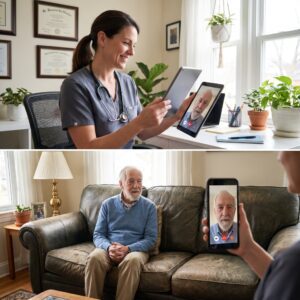 State medical boards issue licenses, and the rule that trips up most new telehealth providers is simple. You need a license in the state where the patient is sitting during the visit, not the state you’re calling from. A physician licensed in Pennsylvania who sees a patient at home in Ohio needs an Ohio license.
Compacts make additional licenses faster to get. The Interstate Medical Licensure Compact now covers more than 40 states plus Washington, D.C. and Guam, and it gives eligible physicians an expedited path to licenses in member states. It doesn’t create a national license, though. You still hold and renew a separate license in each state.
Psychologists have PSYPACT, which covers 40-plus states and lets a qualifying psychologist practice telepsychology across member states without a separate license in each one. Counselors and social workers have their own compacts, but most of those are still getting off the ground.
For a broader look at the licensing side, see telehealth credentialing challenges.
Payer Credentialing Usually Carries Over
Most commercial payers treat telehealth as another way to deliver a covered service. If you’re credentialed with a payer to provide psychiatry in person, that same credentialing generally covers psychiatry by video.
The contract is where the surprises live. Some payers restrict which services they’ll cover by telehealth, require a telehealth addendum, or pay a different rate for virtual visits. Payment parity rules vary by state.
Geography matters too. Being in a payer’s network in one state doesn’t always mean you’re in its network for members in another. Before you start seeing out-of-state members, confirm with each payer which markets your participation covers.
Medicare and Medicaid
 Medicare doesn’t have a separate telehealth enrollment. If you’re enrolled in Medicare, you can bill covered telehealth services under that enrollment.
What has changed is how much Medicare covers. The Consolidated Appropriations Act, 2026 extended Medicare’s telehealth flexibilities through December 31, 2027. That keeps patients’ homes as eligible originating sites, keeps audio-only visits covered, and keeps the expanded list of practitioners who can bill for telehealth. Behavioral and mental health telehealth into the home is now permanent.
Medicaid works differently because every state runs its own program. To treat another state’s Medicaid patients by telehealth, you generally need to enroll in that state’s Medicaid program and follow its telehealth rules, which vary widely.
Hospital Privileges and Credentialing by Proxy
If you provide telemedicine to patients in a hospital where you aren’t on staff, that hospital has to grant you privileges. This is common in telestroke, teleradiology and telepsychiatry.
Federal rules let the hospital where the patient is located rely on the credentialing and privileging decisions of the distant-site hospital or telemedicine entity you work for. The Medicare hospital conditions of participation require a written agreement between the two organizations for this to work. This arrangement is usually called credentialing by proxy, and it cuts a full application down to a much shorter one.
Not every hospital uses it. Some still require a complete application even for providers who will only ever see their patients through a screen. Ask the medical staff office which route they use before you start the paperwork.
Telehealth Platforms
Many telehealth companies credential their clinicians and contract with payers at the group level. That can take a lot of the paperwork off your plate.
It doesn’t change who is responsible for your license. You still need active licensure in every state where your patients are located, and the platform will expect you to keep it current.
Before You Start Seeing Patients Virtually
Work through these before the first virtual visit.
 List the states where your patients will be located and compare them against the states where you hold active licenses.
- Check whether the Interstate Medical Licensure Compact or PSYPACT can speed up the licenses you’re missing.
- Ask each payer whether your contract covers telehealth, whether there’s a telehealth addendum, and which markets your participation includes.
- Enroll in Medicaid separately in each state where you’ll see Medicaid patients.
- Ask any hospital you’ll serve whether it grants telemedicine privileges by proxy.
- Track every license and enrollment renewal date in one place.
 List the states where your patients will be located and compare them against the states where you hold active licenses.
Practices running telehealth across several states often find the tracking is harder than the applications. Our six-state telehealth credentialing case study shows what that looks like in practice.
Telehealth Credentialing FAQ
Do I need separate credentialing for telehealth?
Usually not. Existing payer credentialing and Medicare enrollment generally cover the same services delivered by telehealth. You may still need additional state licenses, Medicaid enrollment in other states, or hospital privileges.
Do I need a license in the patient’s state for telehealth?
Generally yes. Licensure follows the patient’s location during the visit, so a patient in another state usually means you need a license there.
Does Medicare require separate enrollment for telehealth?
No. Telehealth services are billed under your existing Medicare enrollment. Medicare’s expanded telehealth coverage currently runs through December 31, 2027.
What is credentialing by proxy?
It’s an arrangement where a hospital relies on another hospital’s or telemedicine entity’s credentialing and privileging decisions for telemedicine providers, under a written agreement between the two organizations.
Does the Interstate Medical Licensure Compact give me a national license?
No. It speeds up getting licenses in member states, but you still hold and renew a separate license in each state.
How Medwave Helps with Telehealth Credentialing
Medwave has supported more than 15,000 providers through medical credentialing, with an 85-day average turnaround. We handle payer enrollment and Medicaid enrollment across states, and we track renewals so a lapsed license or enrollment doesn’t interrupt your virtual practice. For the billing side, see our telehealth billing services.

Co-Founder and COO of Medwave, bringing more than 30 years of hands-on experience in healthcare revenue cycle management, payer contracting, and medical credentialing.