
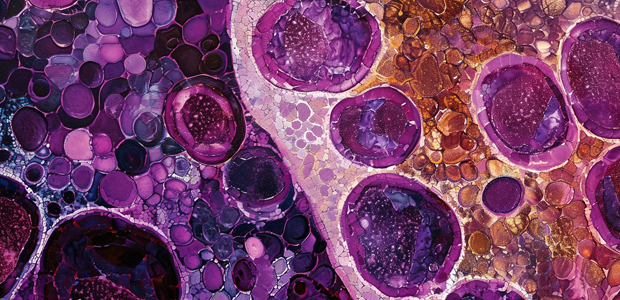
Pathology is a branch of medicine that deals with the study of diseases, particularly through the examination of bodily fluids, tissues, and organs. Pathology services play a crucial role in the diagnosis and management of various medical conditions, and proper coding and billing procedures are essential for reimbursement from insurance companies and other payers.

The Current Procedural Terminology (CPT) code set is a standardized system used by healthcare providers to report medical procedures and services rendered to patients. In pathology billing, several CPT code ranges are used to accurately represent the services provided.
Surgical Pathology CPT Codes
Surgical pathology is the branch of pathology that deals with the examination of tissue samples removed during surgical procedures. The CPT code range for surgical pathology services is 88300-88399.
These codes cover procedures such as:
Surgical Pathology, Gross and Microscopic Examination (88300-88309)
- 88300: Level I surgical pathology, gross examination only
- 88302: Level II surgical pathology, gross and microscopic examination
- 88304: Level III surgical pathology, gross and microscopic examination
- 88305: Level IV surgical pathology, gross and microscopic examination
- 88307: Level V surgical pathology, gross and microscopic examination
These codes are used to report the examination of tissue specimens, with varying levels of complexity based on the extent of the examination and the type of specimen.
Special Stains and Procedures (88312-88319)
- 88312: Special stains (for microorganisms, stains for enzyme constituents, etc.)
- 88313: Histochemical staining with frozen section(s)
- 88314: Histochemical staining with frozen section(s), including interpretation and report
- 88319: Determinative histochemistry or cytochemistry to identify enzyme constituents, per specimen
These codes are used for special staining techniques and procedures that aid in the identification of specific structures or substances within tissue samples.
Immunohistochemistry (88342-88349)
- 88342: Immunohistochemistry (including tissue immunoperoxidase), each antibody
- 88344: Immunohistochemistry (including tissue immunoperoxidase), each multiplex antibody stain procedure
- 88346: Immunofluorescent study, each antibody
- 88348: Electron microscopy, diagnostic
Immunohistochemistry and electron microscopy are advanced techniques used to identify specific antigens or cellular structures, often crucial for accurate diagnosis.
Cytopathology CPT Codes
Cytopathology is the branch of pathology that deals with the study of cells, particularly those obtained from body fluids or fine-needle aspirates. The CPT code range for cytopathology services is 88104-88199.
Some commonly used codes include:
Gynecologic Cytology (88164-88167)
- 88164: Cytopathology, cervical or vaginal, with manual screening and rescreening
- 88165: Cytopathology, cervical or vaginal, with manual screening and rescreening, with interpretation by physician or qualified healthcare professional
- 88166: Cytopathology, cervical or vaginal, with automated screening and rescreening
- 88167: Cytopathology, cervical or vaginal, with automated screening and rescreening, with interpretation by physician or qualified healthcare professional
These codes are used for the analysis of cervical or vaginal cytology specimens, such as Pap smears, with varying levels of complexity based on the screening and interpretation methods.
Non-Gynecologic Cytology (88172-88177)
- 88172: Cytopathology, evaluation of fine needle aspirate with interpretation and report
- 88173: Cytopathology, evaluation of fine needle aspirate with interpretation and report, each additional separate and distinct evaluation
- 88177: Cytopathology, evaluation of fine needle aspirate with interpretation and report, each additional separate and distinct evaluation
These codes are used for the evaluation of non-gynecologic cytology specimens, such as fine-needle aspirates from various body sites.
Fluid Cytology (88104-88109)
- 88104: Cytopathology, fluids, washings or brushings, with centrifugation
- 88106: Cytopathology, fluids, washings or brushings, with simple filter technique
- 88108: Cytopathology, fluids, washings or brushings, with concentration technique
These codes are used for the analysis of fluid cytology specimens, such as pleural fluids, peritoneal fluids, or bronchial washings, with varying preparation techniques.
Molecular Pathology CPT Codes
Molecular pathology is a rapidly growing field that involves the study of genetic and molecular alterations in diseases. The CPT code range for molecular pathology services is 81105-81599.
Some commonly used codes include:
Molecular Pathology Procedures (81200-81299)
- 81206: BCR/ABL1 gene major breakpoint and minor breakpoint cluster mutations
- 81210: BRAF gene analysis for V600 mutations
- 81215: BRCA1 and BRCA2 gene analysis for susceptibility to breast and ovarian cancer
These codes are used for the analysis of specific gene mutations or alterations associated with various diseases, such as leukemia, melanoma, and breast and ovarian cancers.
Molecular Cytogenetics (81300-81399)
- 81315: PML/RARalpha gene analysis for susceptibility to acute promyelocytic leukemia
- 81335: TERT gene analysis for susceptibility to thyroid cancer
- 81347: SF3B1 gene analysis for myelodysplastic syndrome and acute myeloid leukemia
These codes are used for the analysis of chromosomal abnormalities and gene rearrangements associated with various hematologic malignancies and solid tumors.
Molecular Pathology Procedure Level Codes (81400-81408)
- 81400: Molecular pathology procedure, Level 1
- 81403: Molecular pathology procedure, Level 4
- 81408: Molecular pathology procedure, Level 9
These codes are used for molecular pathology procedures based on the level of technical complexity and resource utilization, with Level 1 being the least complex and Level 9 being the most complex.
Anatomic Pathology Consultation Codes
In some cases, pathologists may need to consult with other pathologists or specialists for additional expertise or second opinions. The CPT code range for anatomic pathology consultations is 88321-88325.
These codes include:
Consultation and Report (88321-88325)
- 88321: Consultation and report on referred material requiring preparation of slides
- 88323: Consultation and report on referred material without preparation of slides
- 88325: Comprehensive review of data, diagnostic problem-solving, and report on patient materials
These codes are used when a pathologist provides a consultation and report on referred materials, with or without the preparation of slides, or when a comprehensive review and diagnostic problem-solving is required.
Coding and Billing Considerations
When coding and billing for pathology services, it is essential to follow several guidelines and best practices:
- Documentation: Accurate and detailed documentation of the pathology services performed is crucial for proper coding and billing. Pathologists should maintain clear and comprehensive reports, including all necessary details about the specimen, procedures performed, and findings.
- Medical Necessity: Pathology services must be medically necessary and directly related to the diagnosis and treatment of the patient’s condition. Payers may deny claims for services deemed unnecessary or not supported by appropriate clinical documentation.
- Coding Specificity: Pathologists should use the most specific CPT codes available to accurately represent the services provided. This ensures appropriate reimbursement and facilitates data collection and analysis for quality improvement and research purposes.
- Modifiers: In certain situations, modifiers may be required to provide additional information about the pathology service or to indicate special circumstances. Common modifiers used in pathology billing include:
- 26: Professional component
- TC: Technical component
- 91: Repeat clinical diagnostic laboratory test
- Global Periods: Some pathology services may be subject to global periods, during which related services are considered part of the primary procedure and cannot be billed separately. Pathologists should be aware of these global periods and ensure proper coding and billing practices.
- Bundling and Unbundling: Pathologists should be familiar with bundling and unbundling rules to ensure that services are coded and billed correctly. Bundling refers to the inclusion of multiple services under a single comprehensive code, while unbundling is the separate coding and billing of services that should be bundled together.
- Compliance and Audits: Pathology practices should implement robust compliance programs and be prepared for potential audits by payers or regulatory agencies. Regular audits and reviews can help identify and address coding and billing issues, ensuring accurate reimbursement and minimizing the risk of fraudulent or abusive billing practices.
Which CPT Codes are Used in FAQ
What CPT code range covers surgical pathology services?
Surgical pathology services are reported using CPT codes 88300 through 88399. This range covers gross and microscopic examination of tissue specimens removed during surgical procedures. The exact code used depends on the level of examination required, from Level I (gross only) to Level V (gross and microscopic with greater specimen complexity).
What is the difference between CPT codes 88300 and 88307?
CPT code 88300 represents Level I surgical pathology, which involves gross examination only, without microscopic review. CPT code 88307 represents Level V surgical pathology, which includes both gross and microscopic examination of specimens that require a higher degree of assessment. The level assigned depends on the type of specimen and the depth of examination needed.
Which CPT codes apply to immunohistochemistry and electron microscopy in pathology?
Immunohistochemistry and related procedures fall under CPT codes 88342 through 88349. Code 88342 is used for immunohistochemistry with each antibody, while 88344 applies to multiplex antibody stain procedures. Code 88348 is used specifically for diagnostic electron microscopy, which helps identify cellular structures for diagnosis.
What CPT codes are used for gynecologic cytology testing such as Pap smears?
Gynecologic cytology services, including Pap smear analysis, are billed using CPT codes 88164 through 88167. Code 88164 covers manual screening and rescreening of cervical or vaginal specimens, while 88165 adds physician interpretation. Codes 88166 and 88167 apply to automated screening methods, with 88167 including interpretation by a qualified healthcare professional.
What CPT code range is used for cytopathology services overall?
Cytopathology services are reported using CPT codes in the 88104 to 88199 range. This range includes both gynecologic and non-gynecologic cytology testing, such as fluid or fine-needle aspirate analysis. Specific codes within this range vary based on the type of specimen and screening method used.
What special staining CPT codes are used in surgical pathology?
Special staining procedures in surgical pathology are billed using CPT codes 88312 through 88319. Code 88312 applies to special stains such as those used for identifying microorganisms, while 88313 and 88314 cover histochemical staining with frozen sections. Code 88319 is used for determinative histochemistry or cytochemistry performed to identify enzyme constituents in a specimen.
Summary: The CPT Codes Used in Pathology Billing
Pathology services play a vital role in the diagnosis and management of various medical conditions, and proper coding and billing practices are essential for ensuring appropriate reimbursement and maintaining compliance with regulatory requirements. Knowing and correctly applying the CPT codes used in pathology billing permits pathologists and healthcare providers to accurately represent the services provided, facilitate data collection and analysis, and support quality improvement and research efforts.
It is important to note that coding and billing guidelines are subject to periodic updates and revisions. Pathologists and healthcare providers should stay informed about the latest changes and seek guidance from coding and billing experts when necessary. Ongoing education and adherence to best practices are crucial for maintaining accurate and compliant pathology billing processes.

Co-Founder and COO of Medwave, bringing more than 30 years of hands-on experience in healthcare revenue cycle management, payer contracting, and medical credentialing.